Amish End Table Plans PDF: A Comprehensive Guide
Discover detailed Amish end table plans in PDF format, offering a classic, timeless aesthetic for your home. Explore 50 free woodworking plans
at cashchampionchannel.com, perfect for both beginners and experienced woodworkers!
Amish end tables represent a beautiful intersection of functionality, simplicity, and enduring craftsmanship. These tables aren’t merely furniture pieces; they embody a tradition of skilled woodworking passed down through generations. Their designs often feature clean lines and a focus on practicality, making them versatile additions to any living space.
The appeal lies in their understated elegance – they complement a wide variety of interior styles without overwhelming them. You’ll find they blend seamlessly into both rustic and modern settings. A key characteristic is the emphasis on solid wood construction, ensuring longevity and a timeless quality.
Looking for plans to build your own? Resources are available online, offering PDF guides to recreate these classic pieces. Consider exploring options for two-tiered shelf designs or slim, narrow tables, perfect for maximizing space. The minimalistic aesthetic is a hallmark of Amish furniture, offering a touch of rustic charm to any home.
The Appeal of Amish Craftsmanship
Amish craftsmanship is renowned for its dedication to quality, durability, and a time-honored approach to woodworking. Unlike mass-produced furniture, Amish pieces are often built by hand, utilizing traditional joinery techniques and a keen eye for detail. This results in furniture that is not only beautiful but also built to last for generations.
The appeal extends beyond mere longevity; it’s about supporting a community that values skill, integrity, and a slower pace of life. Choosing an Amish-made end table, or building one using authentic plans, means investing in a piece with a story and a heritage.
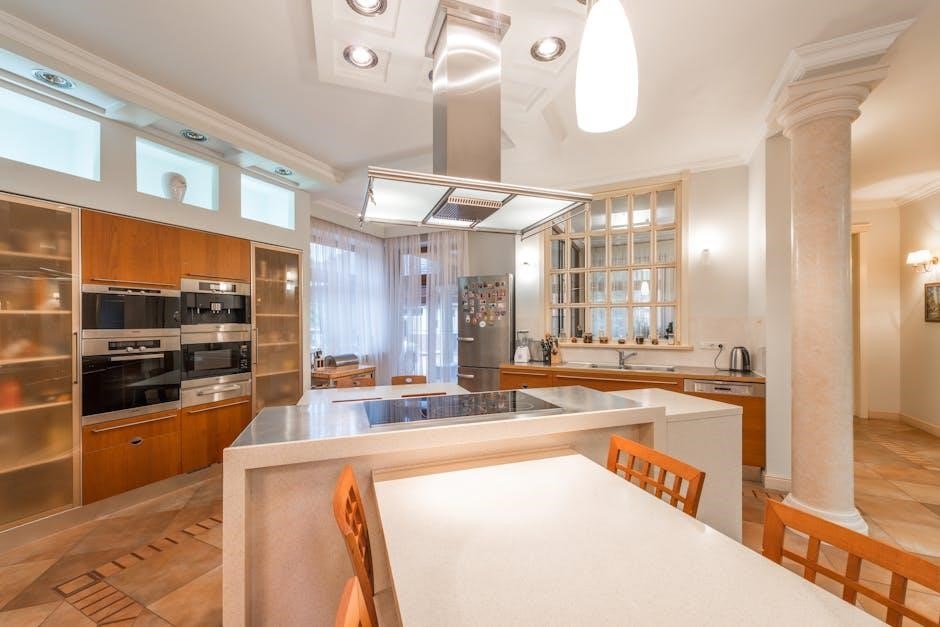
PDF plans allow you to replicate this quality in your own home. The focus on solid wood and simple, elegant designs ensures a timeless aesthetic. Peaceful Classics offers handmade slim side tables, showcasing the beauty of Amish woodworking. This dedication to quality is what sets Amish furniture apart.
Characteristics of Amish End Table Design
Amish end table designs typically emphasize functionality and understated elegance. A hallmark is the use of solid hardwoods, ensuring durability and a classic aesthetic. Common features include clean lines, simple profiles, and a focus on practicality over excessive ornamentation.
Two-tiered shelf end tables are particularly popular, offering both display and storage space, as seen in Peaceful Classics’ designs. Narrow or slim end table designs are also prevalent, ideal for maximizing space in smaller rooms. Some designs incorporate retractable leaves, utilizing Parsons Table Fittings for added versatility – allowing the table to expand when needed.
The minimalistic approach allows these tables to seamlessly integrate into various interior styles. PDF plans often reflect these characteristics, guiding builders to create pieces that embody the Amish commitment to quality and timeless design. The emphasis is on creating functional art that enhances the home.

Finding Amish End Table Plans
Locate Amish end table plans through online resources, exploring both free and paid options. Kreg Tool and Grizzly previously offered plans, with alternatives readily available today!
Online Resources for PDF Plans
Numerous online platforms host Amish end table plans in PDF format, catering to diverse skill levels and aesthetic preferences. A valuable starting point is cashchampionchannel.com, which compiles 50 free woodworking plans, including several Amish-inspired designs.
While dedicated Amish furniture plan websites are less common, general woodworking plan repositories often feature relevant designs. Searching for “Amish end table plans PDF” on popular woodworking forums and marketplaces can yield promising results. Additionally, exploring websites specializing in traditional furniture plans may uncover suitable options.
Remember to carefully review plan details before downloading, ensuring they align with your woodworking expertise and available tools. Consider checking user reviews or project photos to assess the plan’s clarity and accuracy. Be cautious when downloading from unfamiliar sources to protect your device from potential malware.
Free vs. Paid Plans: What to Expect
Free Amish end table plans, like those found on sites such as cashchampionchannel.com, often provide basic dimensions and material lists, suitable for beginners or those seeking a simple project. However, these plans may lack detailed instructions, intricate joinery techniques, or alternative design options.
Paid plans, conversely, typically offer comprehensive guidance, including step-by-step illustrations, precise cutting diagrams, and detailed explanations of complex woodworking methods. They may also include material sourcing suggestions and finishing recommendations. Kreg Tool, for example, offers plans for around $20, potentially including hardware information.
The choice between free and paid plans depends on your skill level, project complexity, and desired level of detail; If you’re a novice woodworker, investing in a well-documented paid plan can save time and frustration. Experienced craftspeople may find free plans sufficient for simpler designs, adapting them to their preferences.
Kreg Tool & Grizzly Plans (Availability & Alternatives)
Currently, Grizzly’s Amish end table plans appear to be discontinued, but are reportedly available through Kreg Tool for approximately $20. Kreg Tool offers a wide range of woodworking resources, including plans and joinery systems, making it a valuable source for project materials and guidance.
If Kreg’s offering doesn’t meet your needs, several alternatives exist. Exploring online woodworking marketplaces and forums can uncover independent designers selling Amish-inspired end table plans. Websites like Etsy often feature unique, handcrafted plans from individual woodworkers.
Additionally, consider searching for plans based on specific joinery techniques common in Amish furniture, such as mortise and tenon or dovetail joints. Resources like Fine Woodworking (FWW) may contain relevant articles or plans, though a specific table in Volume 9 isn’t readily confirmed. Remember to carefully review plan details before purchasing to ensure they align with your skill level and desired outcome.

Essential Tools and Materials
Constructing Amish end tables requires quality wood, joinery tools, and Parsons Table Fittings for retractable leaves. Careful material selection is key for durability!
Wood Selection for Amish End Tables
Choosing the right wood is paramount when embarking on an Amish end table project, directly impacting both the table’s aesthetic appeal and its longevity. Traditionally, Amish furniture makers favored locally sourced hardwoods known for their strength and beauty. Popular choices include cherry, oak, maple, and walnut – each offering a distinct grain pattern and color tone.
Cherry wood is prized for its rich reddish hue that deepens with age, providing a warm and inviting look. Oak, available in both red and white varieties, offers excellent durability and a prominent grain. Maple, a lighter-colored wood, is ideal for painted finishes or for showcasing a more subtle grain. Walnut, with its dark, luxurious color, adds a touch of sophistication to any room.

Consider the desired finish and overall style when selecting your wood. Softwoods like pine are generally not preferred for Amish-style end tables due to their lower density and susceptibility to dents and scratches. Ensure the wood is properly kiln-dried to prevent warping or cracking after construction. Quality lumber is an investment that will result in a beautiful and lasting piece of furniture.
Required Tools for Construction
Successfully building an Amish end table requires a selection of both hand tools and power tools. Essential power tools include a table saw for accurate cuts, a miter saw for angled pieces, and a drill/driver for assembling the table. A random orbital sander is crucial for achieving a smooth, professional finish.
Hand tools such as chisels, hand planes, and a marking gauge are invaluable for fine-tuning joints and creating precise details. Clamps of various sizes are absolutely necessary to hold pieces securely during glue-up. A good quality measuring tape, combination square, and level will ensure accuracy throughout the build.
For more complex joinery, consider investing in a router with various bits; Safety gear is non-negotiable; always wear safety glasses, hearing protection, and a dust mask. Depending on the chosen plan, specialized hardware tools may be needed, such as those for installing Parsons Table Fittings for retractable leaves.
Hardware Considerations (Parsons Table Fittings)
When constructing an Amish end table with a retractable leaf feature, Parsons Table Fittings are a key component. These specialized fittings allow for a smooth and secure extension and retraction of the leaf, permanently mounting it at either end of the table. Typically, these fittings accommodate leaf widths of 11 or 13-3/4 inches.
Sourcing these fittings can be done through various suppliers; While Grizzly Tools previously offered a plan incorporating these fittings, it’s now discontinued. However, Kreg Tool currently provides these fittings and related resources, often available as part of larger project kits. Ensure you select the correct size and type of fitting based on your table’s design and desired leaf width.
Beyond the Parsons fittings, standard hardware like wood screws, wood glue, and potentially drawer slides (for tables with drawers) will be required. Consider the finish of the hardware to complement the overall aesthetic of your Amish-inspired end table.

Construction Techniques
Master basic joinery methods – like mortise and tenon or dovetails – for robust construction. Apply traditional finishing techniques, enhancing the wood’s natural beauty and durability.
Basic Joinery Methods
Amish woodworking traditionally emphasizes strong, durable joinery, eschewing modern shortcuts like screws and nails whenever possible. When constructing an Amish end table, several key joinery techniques are frequently employed. Mortise and tenon joints are foundational, providing exceptional strength where legs meet the table’s apron. Dovetail joints, though more complex, are ideal for drawer construction, ensuring a lifetime of reliable use.
For simpler designs, robust dado joints can effectively connect shelves to side pieces. Consider using dowel joints to reinforce butt joints, adding stability without being visually intrusive. Proper glue selection is crucial; traditional wood glues offer excellent bonding strength. Remember to clamp joints securely during glue-up, ensuring a tight, lasting connection. Precise cuts and careful fitting are paramount for achieving the clean, refined aesthetic characteristic of Amish craftsmanship. These techniques, while demanding patience, result in furniture built to last generations.
Finishing Techniques for a Traditional Look
Achieving a traditional Amish finish involves techniques that enhance the wood’s natural beauty and provide lasting protection. Begin with thorough sanding, progressing through finer grits to create a flawlessly smooth surface. Avoid overly glossy finishes; Amish furniture typically features a more subdued, natural sheen. Oil-based stains are commonly used to highlight the wood grain, followed by several coats of varnish or lacquer for durability.
Consider using milk paint for an authentic, historical look, though it requires more preparation and sealing. Hand-rubbed finishes are preferred, allowing for greater control and a warmer, more tactile feel. Apply thin coats, allowing each to dry completely before the next. Buffing between coats enhances the luster. For a distressed appearance, lightly sand edges and corners after finishing. The goal is a finish that feels warm to the touch and showcases the wood’s inherent character, not a factory-perfect sheen.
Building a Simple Amish End Table: Step-by-Step

Start by cutting the wood pieces according to your chosen Amish end table plan – readily available in PDF format online. Assemble the table legs first, ensuring they are square and securely joined using mortise and tenon or pocket hole joinery. Attach the side and end rails to the legs, forming the table’s frame. Next, construct the tabletop, carefully joining the boards for a seamless surface.
Sand all surfaces smooth, preparing for finishing. Install a lower shelf, if the plan includes one, using similar joinery techniques. Consider Parsons Table Fittings for retractable leaves, permanently mounting them at each end. Apply your chosen finish – oil-based stain and varnish are traditional. Allow ample drying time between coats. Finally, inspect for any imperfections and enjoy your handcrafted Amish-inspired end table!

Variations in Amish End Table Styles
Explore diverse designs, including two-tiered shelf tables, slim narrow options, and tables featuring retractable leaves with Parsons Table Fittings for added functionality.
Two-Tiered Shelf End Tables
Two-tiered shelf end tables represent a popular and practical variation within Amish furniture design. These tables offer a delightful blend of form and function, providing ample space for displaying decorative items, storing books, or keeping essential living room accessories within easy reach.
Peaceful Classics, available on Amazon, showcases a prime example of this style – a slim, Amish-handmade side table with two tiers. This design maximizes vertical space without sacrificing the understated elegance characteristic of Amish craftsmanship.
PDF plans for constructing these tables often emphasize simplicity in joinery, making them accessible to woodworkers of varying skill levels. The lower shelf typically mirrors the dimensions of the tabletop, creating a balanced and harmonious aesthetic. Consider incorporating solid wood construction for durability and longevity, reflecting the Amish commitment to quality. Detailed plans will guide you through the precise measurements and assembly techniques needed to replicate this classic style.
Narrow/Slim End Table Designs
Narrow or slim end tables are a hallmark of Amish woodworking, perfectly suited for maximizing space in smaller living areas or alongside cozy armchairs. These designs prioritize functionality without overwhelming the room, embodying the Amish principle of practicality.
Peaceful Classics on Amazon offers an excellent example: an Amish-handmade slim side table ideal for bedrooms, entryways, or hallways. This highlights the versatility of the narrow profile. PDF plans for these tables often focus on efficient wood usage and streamlined construction techniques.
Amish end table plans frequently incorporate simple, robust joinery to ensure stability despite the reduced width. Consider using hardwoods like cherry or maple for enhanced durability and a beautiful grain pattern. Detailed plans will illustrate how to achieve a clean, minimalist aesthetic while maintaining the structural integrity essential for a long-lasting piece of furniture.

Tables with Retractable Leaves
Amish end tables featuring retractable leaves offer exceptional versatility, transforming from compact side tables into larger surfaces for entertaining or display. Parsons Table Fittings are key to this functionality, allowing for a permanently mounted leaf – typically 11 or 13 ¾ inches – to be easily extended and retracted.
PDF plans specifically for these tables will detail the precise installation of these fittings, ensuring smooth operation and a secure lock when extended. Construction involves careful consideration of the table’s frame to support the added weight and stress of the leaf.
Finding plans that include hardware specifications is crucial. Lee’s comment highlights the availability of these plans, and the necessary hardware, through Kreg Tool. These tables represent a blend of traditional Amish craftsmanship and adaptable design, making them a valuable addition to any home.

Potential Issues & Troubleshooting
Beware of Aliexpress risks: delivery problems, potential counterfeits, and inaccurate product descriptions. Refunds can be difficult to obtain, as noted in recent forum discussions.
Aliexpress Purchase Risks (Delivery, Authenticity)
Purchasing Amish end table plans, or related hardware like Parsons Table Fittings, from Aliexpress carries inherent risks that buyers should carefully consider. Numerous reports highlight potential issues with delivery, where items are marked as delivered but never received by the customer – as evidenced by forum posts dating back to February 17, 2024, and even as recently as March 26, 2025.
Furthermore, the authenticity of plans and components is a concern. The possibility of receiving poorly made counterfeits, or items that don’t match the advertised specifications, is significant. One user reported issues with a tablet purchased on December 14, 2024, noting its mediocre quality. Aliexpress’s dispute resolution process can be challenging, with limited recourse available to buyers, particularly regarding refund requests – a sentiment echoed by users on January 3, 2019, and February 17, 2024. Retrofacturation attempts can also be blocked, leaving buyers with little option.
Therefore, exercising caution and thoroughly researching sellers is crucial before making a purchase.
Dealing with Unreceived or Faulty Orders
If you encounter issues with an Amish end table plan or hardware order from Aliexpress – whether it’s non-delivery or a faulty product – immediate action is necessary. Numerous user reports (dating from February 17, 2024, to March 26, 2025) indicate that resolving these problems can be difficult. First, document everything: screenshots of the order, communication with the seller, and any delivery confirmations (even if inaccurate).
Next, open a dispute through the Aliexpress platform. Be clear and concise in your explanation, providing supporting evidence. However, be aware that Aliexpress may initially side with the seller, and refund requests can be denied, as highlighted in reports from January 3, 2019, and March 26, 2025. If the dispute is unsuccessful, consider contacting your payment provider to initiate a chargeback, though this may also be blocked.
Unfortunately, as one user noted, there’s often limited recourse once Aliexpress closes the case.
Customer Support & Refund Policies
Navigating customer support and refund policies when purchasing Amish end table plans or hardware, particularly through platforms like Aliexpress, requires diligence. User experiences suggest that obtaining satisfactory resolutions can be challenging. Reports from December 14, 2024, and earlier indicate potential difficulties with Aliexpress’s responsiveness and fairness in dispute resolution.
Generally, Aliexpress offers a buyer protection program, but its effectiveness varies. Sellers may initially resist refunds, and the platform may prioritize their interests. Therefore, thoroughly review the seller’s specific refund policy before making a purchase. Document all communication and retain proof of payment.
Be prepared for potential delays and the possibility that your refund request may be denied, as evidenced by user accounts. Consider utilizing payment methods that offer additional buyer protection, such as PayPal, which may provide an alternative dispute resolution pathway; Ultimately, proactive documentation and a clear understanding of the platform’s policies are crucial.
