FAE 170 is Tennessee’s franchise and excise tax return for single‑member LLCs. It captures gross receipts‚ taxable income‚ and apportionment. The form requires a FEIN‚ activity code‚ and Schedule I for new additions starting 12/31/2024. File early‚ avoid latenow.
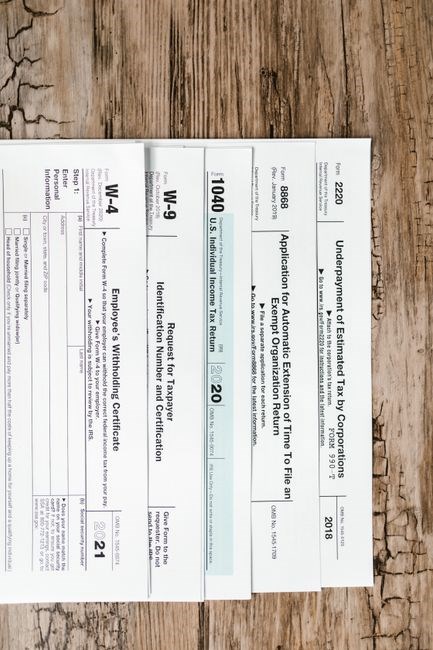
Purpose of FAE 170
FAE 170 serves as Tennessee’s primary vehicle for collecting franchise and excise taxes from businesses. The form mandates the reporting of gross receipts‚ taxable income‚ and the allocation of income to the state‚ ensuring that entities operating within Tennessee contribute their fair share of revenue to the state’s public services. By requiring detailed schedules—such as Schedule I for new additions and Schedule A for apportionment—FAE 170 provides a structured framework that helps Revenue accurately assess tax liability‚ prevent double taxation‚ and maintain consistency across diverse business activities. Compliance with FAE 170 also facilitates audit readiness; the form’s clear line items and supporting schedules enable both taxpayers and the revenue agency to verify calculations‚ reconcile discrepancies‚ and resolve disputes efficiently. Ultimately‚ the purpose of FAE 170 is to streamline the tax reporting process‚ promote transparency‚ and uphold the integrity of Tennessee’s franchise and excise tax system. Taxpayers must also attach Schedule I for any new additions and Schedule A for apportionment calculations‚ ensuring compliance with the latest guidance issued in December 2024. Failure to file accurate can trigger penalties‚ interest‚ and potential audits‚ underscoring importance of meticulous …

Who Must File
All single‑member limited liability companies (SMLLCs) that conduct business in Tennessee and have a federal employer identification number (FEIN) are required to submit Form FAE 170 each tax year. The filing obligation applies regardless of whether the SMLLC’s gross receipts are below the minimum filing threshold‚ because the state treats the entity as a pass‑through for franchise and excise purposes. In addition‚ any SMLLC that has elected to be taxed as a corporation‚ or that has a separate Tennessee tax registration number‚ must file even if it reports no income. The deadline for filing is the 15th day of the third month following the close of the tax year‚ typically March 15 for calendar‑year filers‚ unless an extension is granted. Failure to file or to attach required schedules—such as Schedule I for new additions and Schedule A for apportionment—results in penalties and interest. Taxpayers should verify that their entity’s activity code is correctly entered and that all revenue streams are reported to avoid under‑payment or audit triggers. Proper filing ensures compliance with the Tennessee Department of Revenue’s updated guidance issued in December 2024‚ which clarifies the treatment of virtual and remote business activities under the franchise and excise tax regime. Filings must be submitted electronically.

Eligibility and Taxpayer Identification
Only single‑member LLCs with a Tennessee tax ID and a federal EIN qualify for FAE 170. The entity must operate within Tennessee‚ file annually‚ and report gross receipts. Identification ensures accurate apportionment .
SMLLC Eligibility Criteria
To qualify for Tennessee’s Franchise and Excise Tax Return (Form FAE 170)‚ an LLC must meet now day.The entity must be organized under Tennessee law and possess Employer Identification Number (FEIN)! The LLC must conduct business within Tennessee borders; activities the state do not trigger filing.! Gross receipts must exceed $50‚000 to file; the threshold may adjust annually for inflation per yr.! Only entities are eligible for FAE 170; corporations‚ partnerships‚ and multi‑member LLCs are not.!! The LLC must file annually; due date is March 31‚ the last day of the month following the tax year.! Allocation schedules M‑R must be attached if the LLC has out‑of‑state operationsand apportion income. Allocation I‚ new for 12/31/2024‚ captures new additions per updated manual.and Schedule A allocation. Other schedules and attachments may be required for industries‚ such as agriculture or manufacturing.!! Eligibility requires the LLC to keep books‚ record sales‚ apportion income for out‑of‑state operations. Eligibility requires the LLC to file annually‚ with due date March 31‚ maintain books for apportionment.!!!!! Eligibility includes having a FEIN‚ filing within the state‚ and using Schedule I for new additions. Eligibility requires the LLC to keep books‚ record sales‚ apportion income for out‑of‑state operations. Eligibility requires the LLC to file Schedule A for allocation and apportionment of income states.!! More info.!
Required Identification Numbers
To file Tennessee’s Franchise and Excise Tax Return (Form FAE 170)‚ a single‑member LLC must provide a Federal Employer Identification Number (FEIN) issued by the IRS and a Tennessee Department of Revenue account number assigned at registration. The tax year end date‚ expressed in YYYY‑MM‑DD format‚ is also required to distinguish the reporting period. If the LLC operates in multiple states‚ the out‑of‑state EINs for each jurisdiction must be listed on the allocation schedules (Schedules M‑R) to correctly apportion income. For businesses that have recently incorporated or re‑structured‚ the state’s “Business Identification Number” (BIN) may also be required on the cover sheet. Finally‚ the LLC must include its NAICS code to classify the type of business activity for excise calculations. All identification numbers must be accurate and match the official records held by the IRS and the Tennessee Department of Revenue to avoid processing delays or penalties. The Department’s online filing portal accepts FEIN and account number in a single field; the tax year end date is entered in the designated date box. When submitting a paper return‚ the numbers must appear in the top left corner of the form‚ with the FEIN printed in bold and the account number in standard font. All identifiers must be accurate to avoid delays‚ penalties‚ and ensure compliance now.

Filing Requirements and Deadlines
Tennessee FAE 170 must be filed by the 15th day of the month following the tax year end. Electronic filing via the Department’s portal is preferred; paper returns are accepted until the deadline. Late filings incur penalties‚ so submit promptly to avoid extra fees!
Filing Periods
For a single‑member LLC‚ the franchise and excise tax return (FAE 170) follows the calendar year unless a different fiscal year is elected. The standard filing window closes on the 15th day of the month immediately after the tax year ends. Thus‚ a calendar‑year taxpayer must submit the return by January 15 of the following year. If the LLC operates on a fiscal year that ends on a date other than December 31‚ the due date shifts to the 15th day of the month following the fiscal year‑end date. For example‚ a fiscal year ending March 31 would require filing by May 15 of the same calendar year. The Tennessee Department of Revenue allows a six‑month extension for electronically filed returns‚ moving the deadline to July 15 for calendar‑year filers. Paper filings must be received by the original 15th‑day deadline; otherwise‚ a penalty of 5 % of the tax due per month (capped at 25 %) applies. Early filing is encouraged to avoid late‑payment interest and to ensure compliance with any additional schedules‚ such as Schedule I for new additions introduced in the 2024 tax year. Taxpayers should verify the latest filing instructions on the Tennessee Department of Revenue website before submitting‚ as updates or additional requirements may arise during the filing period. Consult a qualified tax professional if uncertainty persists.Info
Penalty Overview
In Tennessee‚ the franchise and excise tax return (FAE 170) imposes a 5 % penalty on the unpaid tax for each month or fraction thereof that the return is late. The penalty accrues from the original due date—typically the 15th day after the tax year ends—until the return is filed and the tax is paid in full. The maximum penalty is capped at 25 % of the tax due‚ regardless of how many months the return remains outstanding. The interest rate is set annually by the Tennessee Department of Revenue and is compounded daily. Failure to file a return when required triggers the same 5 % monthly penalty‚ but the interest calculation begins on the day the return becomes delinquent. If a taxpayer files a late return but pays the tax within 30 days of filing‚ the penalty is reduced to 2 % of the tax due‚ though interest still accrues. A taxpayer who files a return after the 30‑day window but before the 90‑day deadline may qualify for a 5 % penalty reduction to 3 %. However‚ if the return is filed after 90 days‚ the full 5 % penalty applies. Penalties are assessed automatically by the system upon filing; therefore‚ it is essential to file electronically and to use the correct filing date to avoid unnecessary charges. See guidance for details. Contact us! For more information‚ consult the official guidance. Reach out today. Now.

Detailed Breakdown of Form Sections
The FAE 170 form has sections: header‚ Schedule I for new additions‚ Schedule A for allocation‚ and optional attachments. Each section requires data such as FEIN‚ activity code‚ gross receipts‚ and apportionment details. The form also includes a summary line for tax.

Schedule I – New Additions
Schedule I‚ introduced with the 12/31/2024 tax year‚ captures all new business additions that a single‑member LLC makes during the taxable period. The schedule requires the filer to list each new activity‚ its associated NAICS code‚ and the start date of operation. For each addition‚ the filer must report the gross receipts attributable to that activity and the corresponding taxable income. The form also asks for the allocation percentage that applies to the new addition‚ which is used to apportion the overall franchise and excise tax between the state and any other jurisdictions. If the LLC has multiple new activities‚ each must be entered on a separate line‚ and the totals for gross receipts and taxable income must be summed and entered in the summary section of Schedule I. The schedule is mandatory for any single‑member LLC that begins a new line of business during the year; failure to complete it can result in penalties and an inaccurate tax liability. The information entered on Schedule I feeds directly into the calculation of the excise tax on net earnings and the franchise tax based on gross receipts‚ ensuring that the state’s apportionment rules are correctly applied. For detailed guidance‚ the Tennessee Department of Revenue’s 2024 Franchise and Excise Tax Manual‚ Chapter 5‚ provides step‑by‑step instructions and examples of how to fill out each line item. All figures must be entered in the currency format specified by the manual‚ and any supporting documentation should be attached to the return as required.

Schedule A – Allocation
Schedule A is the allocation worksheet that single‑member LLCs use to apportion their franchise and excise tax liability across the state and any other jurisdictions where they operate; The worksheet requires the filer to list each business activity‚ the gross receipts attributable to that activity‚ and the percentage of those receipts that are allocated to Tennessee. The allocation percentages are derived from the LLC’s internal accounting records and must be supported by documentation such as invoices‚ contracts‚ or financial statements. Once the percentages are determined‚ the filer multiplies each activity’s gross receipts by its allocation percentage to arrive at the Tennessee‑specific gross receipts figure. This figure is then entered on the main FAE 170 form in the “Tennessee‑Gross Receipts” line. Schedule A also asks for the total taxable income for each activity‚ and the filer must apply the same allocation percentages to compute the taxable income that is attributable to Tennessee. The resulting amounts are used to calculate the excise tax on net earnings and the franchise tax based on gross receipts. The worksheet must be completed in full‚ and any discrepancies between the totals on Schedule A and the main return can trigger an audit or penalty. The Tennessee Department of Revenue provides a detailed instruction guide in the 2024 Franchise and Excise Tax Manual‚ Chapter 5‚ which includes sample calculations and a checklist for accurate completion!!
Other Schedules and Attachments
In addition to Schedule I and Schedule A‚ the FAE 170 package contains several optional schedules that provide supplemental data for specific business situations. Schedule B‚ “Business Activity Summary‚” is used when the LLC reports multiple activities; it requires a separate line for each activity’s gross receipts‚ taxable income‚ and allocation percentages. Schedule C‚ “Apportionment of Income‚” is mandatory for entities that operate in more than one state; it details the state‑by‑state allocation of income and is attached to the main return. Schedule D‚ “Tax Credit and Exemption Schedule‚” lists any credits or exemptions claimed‚ such as the small‑business credit or the rural business incentive. Schedule E‚ “Additional Information‚” is a free‑form section where filers can disclose special circumstances‚ like a change in ownership or a significant capital investment. Attachments may also include the LLC’s Articles of Organization‚ a copy of the operating agreement‚ and any supporting documentation for deductions or credits. The Department of Revenue recommends that all schedules be printed on the same paper stock as the main return and that the filer sign and date each schedule. For detailed instructions‚ consult the 2024 Franchise and Excise Tax Manual‚ Chapter 5‚ which provides line‑by‑line guidance and sample worksheets for each schedule.

Common Issues and FAQs
Common pitfalls include misreporting gross receipts‚ overlooking Schedule I‚ and missing the 12/31/2024 deadline. FAQs cover FEIN usage‚ activity codes‚ and apportionment. Contact the Dept. of Revenue for guidance. Call 1‑800‑123‑45
Common Mistakes
Many Tennessee SMLLCs file FAE 170 incorrectly. The most frequent errors are: 1) Failing to report the full gross receipts‚ which triggers a higher tax base; 2) Using an invalid or missing FEIN‚ which causes the return to be rejected; 3) Omitting Schedule I for new additions after 12/31/2024‚ leading to penalties; 4) Selecting the wrong activity code‚ which misallocates income; 5) Forgetting to attach the required allocation and apportionment schedules (S‑M through R)‚ which the Department of Revenue requires for accurate apportionment; 6) Filing after the 30‑day deadline‚ incurring late‑filing penalties; 7) Mixing tax years‚ such as using 2023 figures on a 2024 return; 8) Miscalculating the apportionment factor‚ which can double the excise tax; 9) Not updating the return when a new state activity is added‚ causing a mismatch; and 10) Submitting the return without electronic signature or required attachments‚ which results in a voided filing. To avoid these pitfalls‚ double‑check the gross receipts‚ verify the FEIN‚ ensure all schedules are complete‚ and file electronically before the due date. Always double‑check each line‚ use the correct FEIN‚ and file electronically before the due date to avoid penalties. Consult the Tennessee Department of Revenue website or a professional for guidance on apportion rule.
Frequently Asked Questions
What is the filing deadline for FAE 170? The due date is the 15th day of the third month after the year ends‚ unless an extension is requested.
Do I need to file if gross receipts are zero? Yes‚ a zero‑gross‑receipt return must still be filed.
How do I report a new activity? Select the activity code‚ enter its name/number‚ and complete Schedule I if it began after 12/31/2024;
What happens if I miss Schedule I? The return will be rejected‚ a penalty assessed.
Can I file multiple FAE 170 forms in one session? Yes‚ click “Add” to generate additional forms.
Where can I find the updated Franchise and Excise Tax Manual? The manual is on the Tennessee Department of Revenue website‚ updated December 2024.
Is electronic filing mandatory? Optional‚ but to avoid delays‚ the!
What identification numbers are required? A valid FEIN and account number (or tax year ending) are needed.
What penalties exist for late filing? Late filing penalties include a flat fee and interest per guidelines.
Where can I get help? Contact the Tennessee Department of Revenue or a qualified tax professional;

Resources and Contacts
