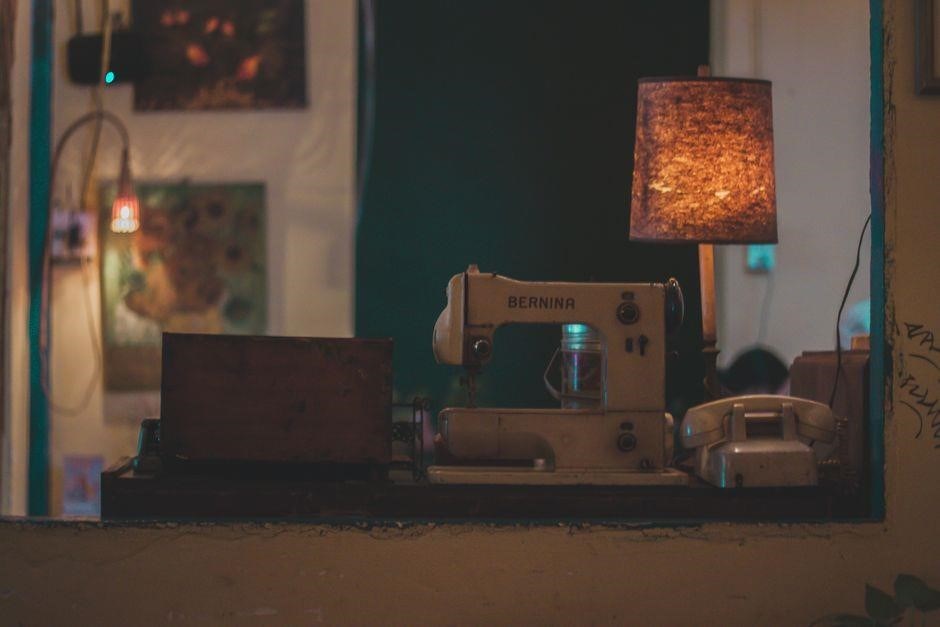
Overview of Old Singer Manual Sewing Machines
Old Singer manual sewing machines, from the 19th to mid‑20th century, combine hand‑crank or treadle power with simple stitch controls․ Their manuals, once freely available, now reside in scattered archives, forums, and third‑party sites, reflecting a patchy digital legacy․ Collectors love them!!!
Historical Context and Evolution
From the 1850s, Singer introduced the first hand‑cranked “Family” machines, enabling home sewers to produce garments without electric power․ The 1860s saw the addition of the “Treadle” model, which used a foot‑pedal to drive the feed mechanism, expanding capacity for heavier fabrics․ By the 1880s, Singer’s “Model 31” series incorporated a lever‑driven feed and a simple lock‑stitch system, making it popular in both domestic and small workshop settings․ The turn of the century brought the 1900 series, featuring a more robust frame and a higher stitch‑rate, which appealed to early industrial users․ In the 1920s, Singer introduced the “Model 565 White,” a heavy‑duty machine with a treadle drive and a reinforced feed dog, designed for leather and canvas work․ Post‑war years (1940s‑1950s) saw the transition to electric motors, but many hobbyists still favored the tactile control of manual machines․ The 1960s and 1970s produced the “Model 215G,” a versatile hand‑crank/treadle hybrid that could be powered by either method, reflecting Singer’s attempt to bridge traditional craftsmanship with modern convenience․ Throughout these decades, manuals evolved from simple pictorial guides to detailed technical manuals, often distributed through dealer networks and later, online archives such as vintageSingeParts and Leatherworker․net․ Today, collectors rely on community forums like r/vintagesewing to locate rare manuals, as Singer’s official website offers only a patchwork of older titles․ Collectors share restoration tips and parts lists,machines generations․
Key Model Lineages
Singer’s manual machines trace three primary lineages that illustrate the company’s adaptation to changing textile demands․ The first lineage, the “Family” series, began with the 1850s hand‑cranked Model 31, which evolved into the 1860s treadle‑driven Model 31‑15․ These early machines featured a simple lever feed, a single lock‑stitch, and a wooden frame that could be easily disassembled for home repair․ The second lineage centers on the industrial‑grade “White” line, epitomized by the Model 565 White․ Introduced in the 1920s, the heavy‑duty machine used a treadle drive and reinforced feed dog for leather and canvas․ Its manual emphasized precise tension adjustment and the use of a leather‑specific needle․ The third lineage is the versatile “215” series, which emerged in the 1960s as a hybrid hand‑crank/treadle machine․ The Model 215G, for example, could be powered by either a hand crank or a foot treadle, offering flexibility for hobbyists and small workshops․ Manuals detail conversion and steps, tension and maintenance, and safety for manual use․ Collectors often trace these lineages through serial numbers, frame markings, and the specific stitch patterns described in the original instruction books․ The lineage narrative not only informs restoration but also highlights Singer’s strategy of modular design, allowing users to upgrade or modify their machines without complete replacement․ This modularity remains a hallmark of Singer’s legacy in the manual sewing machine market․
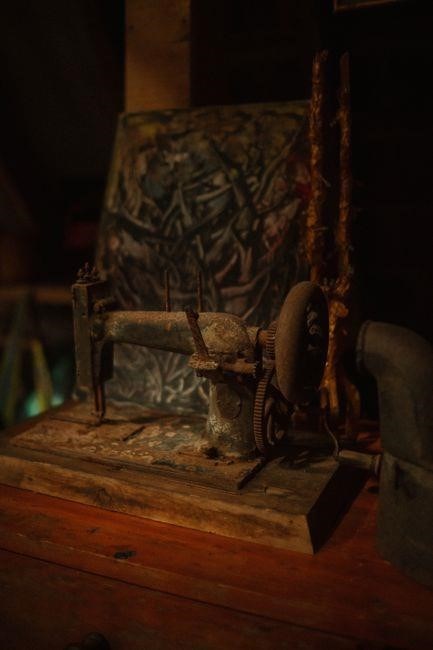
Common Manual Models and Their Features
Common manual Singer models include the 31‑15, 215G, and 565 White․ They feature hand‑crank or treadle drives, simple lock‑stitch mechanisms, adjustable tension, and robust frames․ Collectors value their modularity, ease of repair, and historical significance․ Ideal for hobbyists and restoration!!
Model 31-15: Classic Manual Features
The Singer 31‑15, introduced in the late 1930s, remains a staple for enthusiasts seeking a pure manual experience․ Its design centers on a hand‑crank drive that delivers consistent tension and a smooth stitch cycle, making it ideal for both light fabrics and heavier canvas․Its construction features a sturdy steel frame, a brass tension lever, and a brass needle bar that can be adjusted for fine precision․ The machine’s foot pedal is a simple lever that allows the operator to control stitch length with a single motion, eliminating the need for a separate foot‑switch․ The 31‑15’s hand‑crank is ergonomically shaped, providing a comfortable grip that reduces fatigue during long sewing sessions․The 31‑15’s feed dogs are set at a fixed pitch, making it reliable for straight‑line stitching but limiting zig‑zag capability․ Its robust construction allows it to handle heavy canvas, denim, and even leather with minimal wear․ The machine’s brass needle bar can be swapped for a larger gauge, and the tension lever can be fine‑tuned with a small screw, giving users precise stitch control․Collectors often pair the 31‑15 with a vintage hand‑crank set, which can be purchased from specialty resellers․ The crank’s ergonomic handle reduces wrist strain, and the gear ratio is calibrated for a smooth feed․ In addition, the machine’s brass tension lever can be replaced with a modern stainless‑steel version to improve durability․ Its design also includes a removable
Model 215G: Treadle and Hand Crank Variants
The Singer 215G, produced from the late 1940s through the 1960s, exemplifies the versatility of sewing technology․ Two primary variants exist: the treadle version, which uses a foot‑powered lever to drive the feed mechanism, and the hand‑crank model, which relies on a manually turned crank to advance the fabric․ Both variants share a common brass frame, a robust needle bar, and a simple lever that can be adjusted to accommodate a wide range of thread gauges․ The treadle design features a large, spring‑loaded foot pedal that offers a smooth, rhythmic motion, ideal for straight‑line stitching on heavy canvas or denim․ The hand‑crank version, on the other hand, provides a more experience allowing the operator to control stitch speed and tension with a single hand movement․ The 215G’s feed dogs are set at a fixed pitch, making it well suited for straight stitches but limiting zig‑zag capability․ However, its sturdy construction and easy‑to‑replace parts make it a favorite among hobbyists and manufacturers․ Maintenance is straightforward: regular cleaning of the feed dogs, lubrication of the drive gear, and periodic inspection of the spring ensure reliable operation․ Many collectors still seek original parts, such as the brass crank handle or the treadle foot pedal, which can be found in vintage sewing machine forums and specialty resellers․ The 215G’s enduring popularity stems from its blend of simplicity, durability, and the nostalgic charm of operation It endures
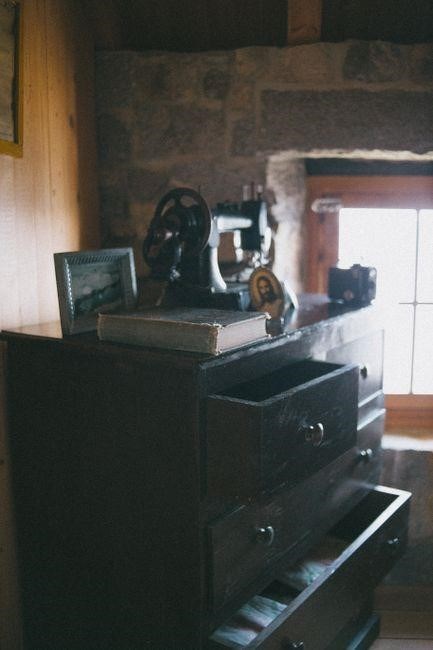
Model 565 White: Industrial Manual Details
The Singer 565 White, introduced in the early 1950s, was designed for heavy‑duty industrial use․ Its all‑metal construction, reinforced feed dogs, and a large, high‑torque treadle or crank drive made it ideal for upholstery, canvas, and leather work․ The machine’s frame is a welded steel chassis that supports up to 120 pounds of fabric, and its feed mechanism has a 1‑inch pitch for smooth, straight stitching on thick materials․ The 565 White’s needle bar is adjustable, allowing stitch lengths from 2․5 to 5․5 mm, which is crucial for precise seam allowances in production․ The manual controls include a simple lever for stitch selection, a tension dial that can be set from 0 to 10, and a feed adjustment lever that can be fine‑tuned to match thread diameter․ The treadle version uses a large, spring‑loaded foot pedal that delivers consistent power, while the crank version offers a more ergonomic hand‑cranked operation, making it suitable for workers who prefer a steadier pace․ Maintenance is straightforward: regular cleaning of the feed dogs, lubrication of the drive gear, and inspection of the treadle spring or crank handle ensure reliable performance․ Replacement parts such as the brass crank, treadle foot pedal, and feed dog assembly are still available through vintage sewing machine forums and specialty resellers․ The 565 White remains a favorite among collectors who appreciate its rugged durability and the tactile satisfaction of manual operation․
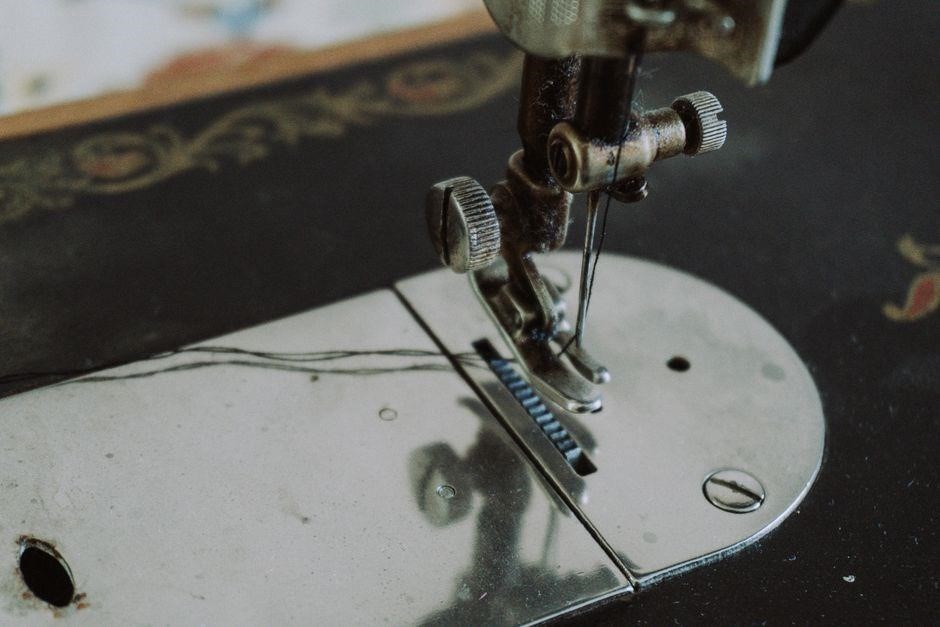
Locating and Accessing Manuals
Search Singer’s official site, but many older manuals are missing․ r/vintagesewing and VintageSingeParts host PDFs․ listings offer scans․ Use model numbers and “manual” in queries for best results․ If you need a hard copy, contact sewing communities online!!
Official Singer Resources and Their Gaps
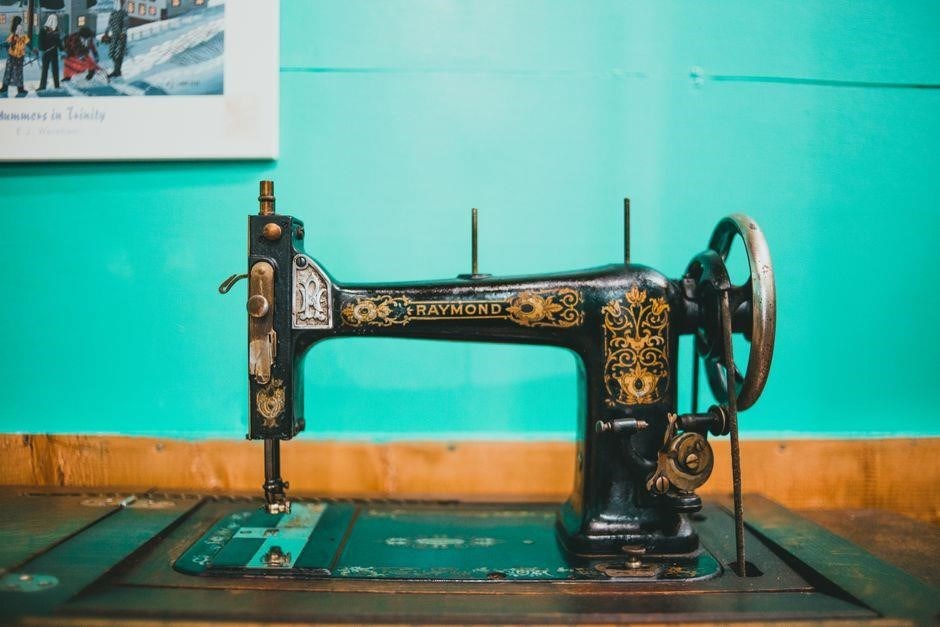
Historically, Singer’s own website offered a comprehensive library of manuals, PDFs, and instructional videos for every model from the 1800s to the 1980s․ In recent years, however, the company has streamlined its online presence, leaving many older titles missing or relocated to obscure sub‑domains․ The current “Singer Parts” portal hosts a handful of 20th‑century manuals, but the 19th‑century hand‑crank and treadle models are largely absent․ Users often report that the search function returns generic “2010‑current” listings, even for machines like the White 565 or the Pfaff 130, which ceased production over five decades ago․ This mislabeling forces collectors to manually sift through irrelevant results or rely on community forums for accurate links․ Additionally, the official site’s download limits and occasional broken PDF links further hinder access․ While a few PDFs can still be found on the legacy “parts․singerco․com” archive, the site has been partially taken down, and references to it redirect to third‑party repositories such as vintagesingerparts․com․ In short, the official Singer digital archive is patchy, with significant gaps that leave enthusiasts to seek alternative sources for complete documentation․
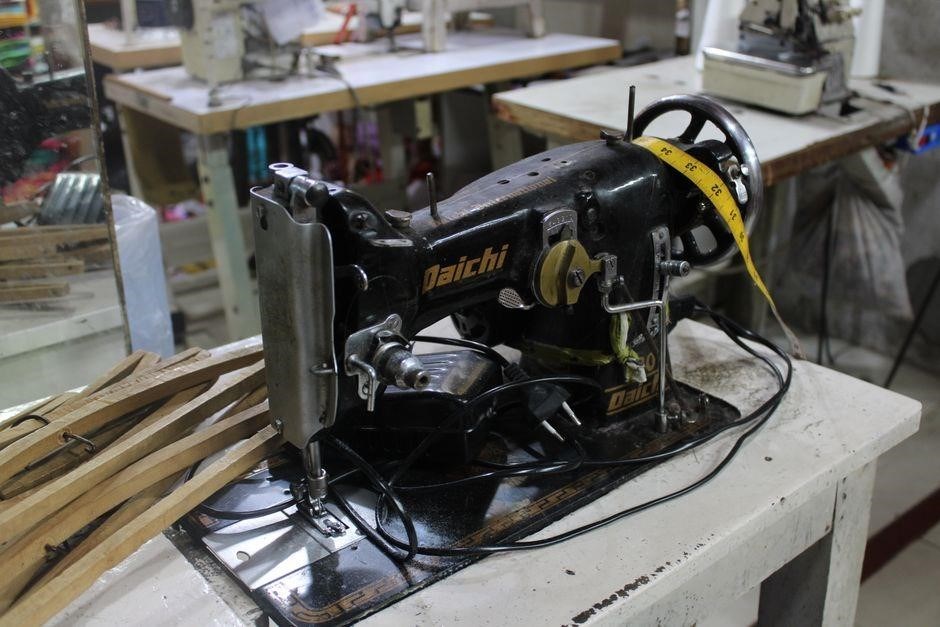
Collectors have turned to community‑driven initiatives, such as the r/vintagesewing subreddit, where users share scanned PDFs and discuss restoration tips․ The user experience remains fragmented, with many manuals only available in low‑resolution scans or as part of paid e‑book bundles․ Hobbyists must rely on a mosaic of unofficial channels to piece together the full technical history of their machines․ Despite these gaps, the community’s collaborative spirit keeps the legacy alive and offers hope for restoration․
Community Archives (Reddit, VintageSingeParts)
Reddit’s r/vintagesewing community has become the de‑facto hub for locating hard‑to‑find Singer manuals․ Users routinely upload scanned PDFs, discuss restoration techniques, and share links to obscure archives․ The subreddit’s search function, though limited, can be navigated with specific model numbers or keywords like “31‑15 manual” or “White 565 instructions․” Community members often provide direct download links, but many PDFs are hosted on third‑party sites, requiring a bit of detective work․ The thread titled “Singer 215G manual missing” illustrates how a single post can spark a chain of responses, each adding a new source or correcting a misfiled link․ This collaborative approach compensates for the gaps left by Singer’s official website, which now hosts only a handful of PDFs and frequently mislabels older models as “2010‑current․”
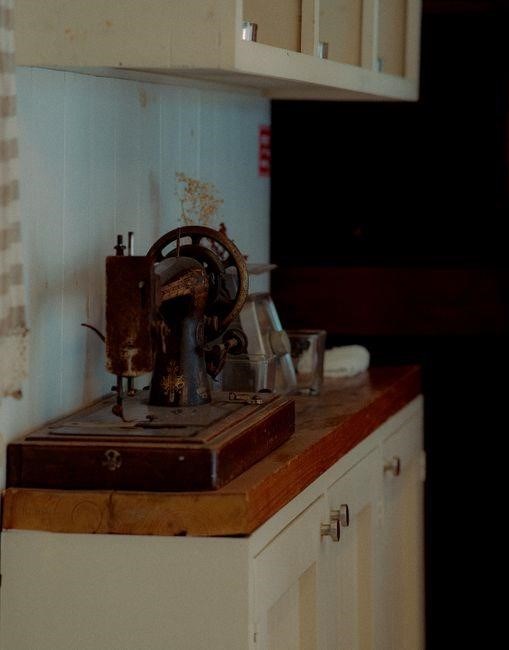
VintageSingeParts, a niche forum dedicated to vintage Singer parts, also hosts a small library of manuals․ The site’s “Resources” section contains a list of downloadable PDFs, many of which are scanned from original paper copies․ Users can request missing manuals through the forum’s “Help” thread, where experienced restorers often provide guidance on locating hard‑to‑find documents․ Unlike Reddit, VintageSingeParts focuses more on parts and mechanical details, but its manual collection is surprisingly comprehensive for models from the 1930s and 1940s․ The community’s willingness to share scanned copies has helped preserve knowledge that would otherwise be lost, especially for treadle and hand‑crank machines that are rarely produced today․
Both platforms rely on user‑generated content, which means quality and accuracy can vary․ However, the collective expertise of seasoned hobbyists often outweighs occasional errors․ By cross‑referencing multiple posts, users can verify the authenticity of a manual before downloading․ Additionally, many Reddit threads link to external repositories such as eBay listings or specialized sewing‑machine archives, providing alternative avenues for acquisition․ The synergy between Reddit’s broad reach and VintageSingeParts’ focused niche creates a robust network that keeps the legacy of old Singer manual sewing machines alive for future generations․
Third‑Party Repositories (eBay, Leatherworker․net)
When official Singer channels fall short, hobbyists turn to marketplaces and specialty sites․ eBay hosts a steady stream of scanned PDFs and physical copies of manuals for models such as the 31‑15, 215G, and White 565․ Sellers often bundle manuals with spare parts, offering a one‑stop shop for restoration projects․ Prices vary from a few dollars for a PDF to over $50 for a pristine, bound manual․
Leatherworker․net, a community focused on leather‑crafting machinery, maintains a dedicated “Manuals” section․ The site curates PDFs sourced from original paper copies․ The platform’s search function allows filtering by model number, year, or machine type, making it easier to locate obscure documents․ Contributions are moderated to ensure accuracy․
Both eBay and Leatherworker․net provide complementary strengths․ eBay’s marketplace model offers quick access to a wide variety of manuals, while Leatherworker․net’s curated library emphasizes quality and usability․ Together they fill the gaps left by Singer’s patchy online archive, ensuring that enthusiasts can preserve and study the rich history of old Singer manual sewing machines․ Collectors rely on these PDFs for accurate restoration․ See:info!
Restoration and Maintenance Tips
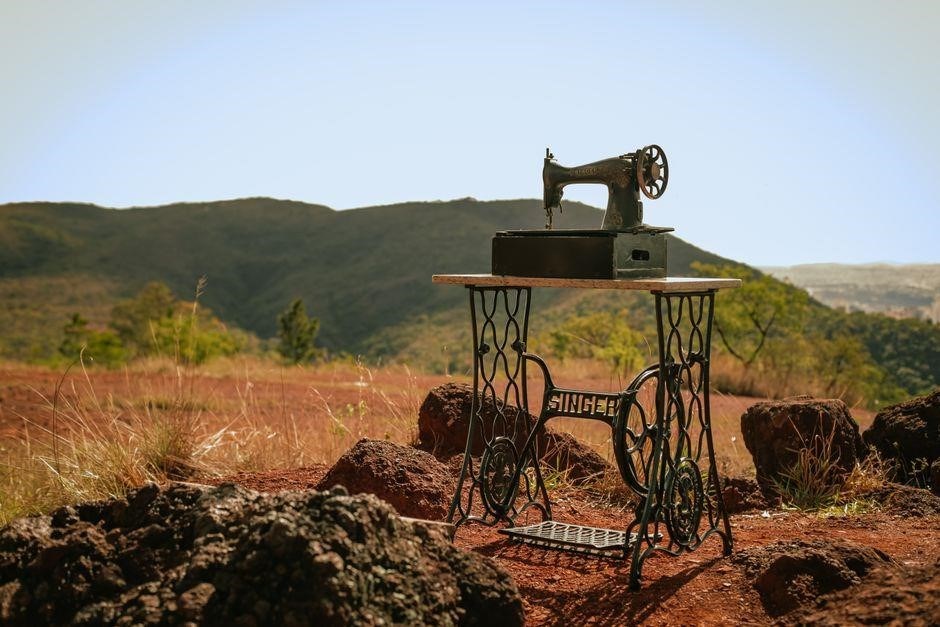
Clean the frame with mild soap, dry thoroughly, then apply a thin coat of sewing‑machine oil to moving parts․ Replace worn needles, adjust tension per manual, and replace the drive belt if cracked․ Test with light fabric before heavy use․ Enjoy restoring!!
Cleaning and Lubrication Techniques
When lubricating, use the oil specified in the manual; now generic oils can clog the feed daily․ Apply a few drops to crank shaft and rotate the crank to spread the oil quickly․ After cleaning, wipe excess oil from the frame with a lint‑free cloth to avoid dust buildup․ For treadle machines, inspect the lever for wear and replace it if loose․ Store the machine in a climate‑controlled area to prevent corrosion!
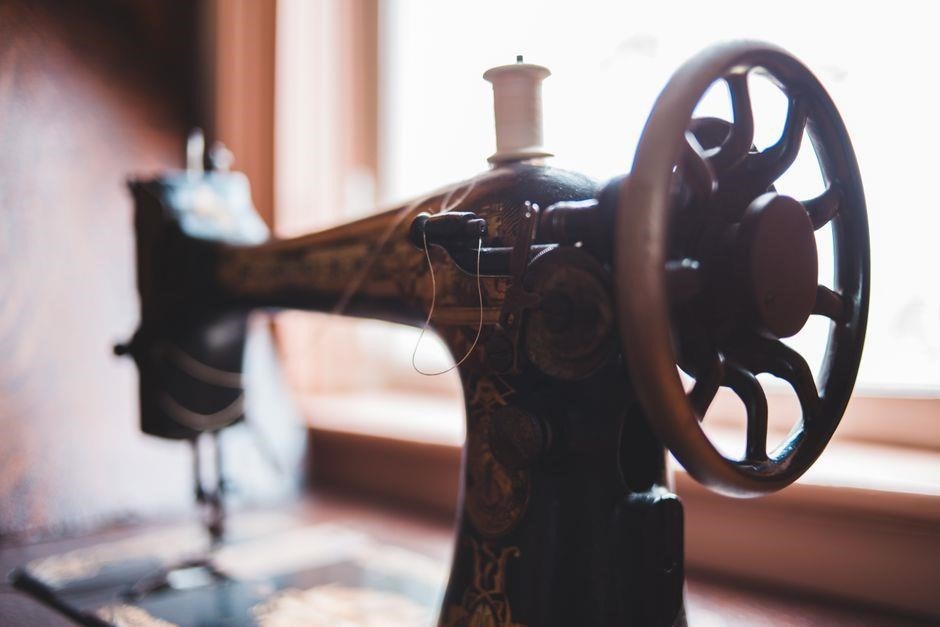
Replacing Key Components
When a Singer manual machine shows signs of wear, the first step is to identify which component is failing․ Common parts that require replacement include the feed dogs, the needle, the crank or treadle, the bobbin case, and the tension springs․ The feed dogs, which lift and move the fabric, are often the most visible wear point; they can be removed by loosening the screws on the machine’s back plate, lifting the dog assembly, and sliding the new set into place․ Needle replacement is straightforward: simply pull the old needle out of the needle clamp, insert a new one of the correct gauge, and tighten the clamp․ For treadle or crank replacements, locate the mounting bolt, unscrew it, and swap the old lever for a new one that matches the original torque rating․ Bobbin cases may crack or lose their spring tension; replace them with a new case and a fresh spring, ensuring the bobbin is wound evenly․ Tension springs are critical for stitch balance; if the machine stitches unevenly, replace the spring with one of the same resistance rating․ Proper care involves checking the frame for rust, tightening screws, and ensuring the feed dog gear is aligned․ If the machine mis‑stitches, replace the drive gear or crank handle․ Keep a spare needle and bobbins on hand for quick fixes during projects․ Always test on scrap․ OK
Safety Precautions for Manual Operation
Operating a vintage Singer manual machine demands respect for its mechanical power and the user’s safety․ First, always secure the machine on a stable, level surface and keep the foot pedal or treadle firmly in place․ Never sit or lean on the machine while it is in motion; the crank or treadle can produce sudden jolts that may throw a person forward․ Keep all loose clothing, jewelry, and long hair away from the moving parts․ The needle and bobbin assemblies should be inspected before each use; a bent needle can pierce the fabric and cause injury․ When winding the bobbin, ensure the bobbin case is properly seated and the bobbin is not over‑filled, as this can lead to a sudden release of tension․ Use only the recommended needle size for the fabric type; a mismatched needle can cause the machine to jam or the needle to break․ Before starting, check the feed dog and drive gear for smooth operation; any wobble can lead to uneven stitching or sudden stoppage․ If the machine has a crank, ensure the crank is firmly not over‑twisted; torque can damage the gear train in gearbox properly again! Using a treadle, a rhythm; sudden foot movements may jerk the machine and pull the operator’s hand!!․ Always keep a fire extinguisher or bucket of water nearby for fire! Finally, after each session, disconnect the machine from any power source, clean the needle bar, and store it in a dry, dust‑free environment and keep the machine in a dust‑free cabinet for․ Following these precautions will help preserve both the machine’s longevity and the operator’s well‑being․