Taylor Meat Thermometer Instructions: A Comprehensive Guide
Welcome! This guide provides detailed instructions for using Taylor meat thermometers, ensuring accurate temperature readings for perfectly cooked food.
Taylor has been a trusted brand for over 170 years, prioritizing accuracy in all its measurement products, from kitchen tools to aviation instruments.
Understanding Taylor Meat Thermometers
Taylor has a rich history, founded in 1851 with a commitment to “accuracy first.” This dedication extends to their diverse range of thermometers, designed for both home cooks and professional chefs. Understanding the principles behind these instruments is crucial for safe and delicious results.
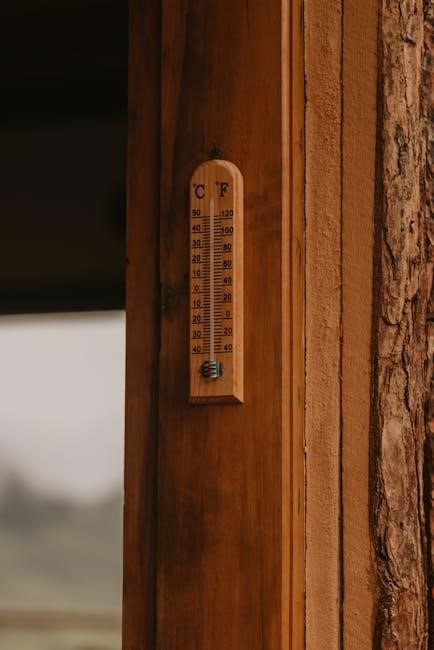
These thermometers aren’t simply about convenience; they are about ensuring food safety by verifying internal temperatures are reached to eliminate harmful bacteria. Taylor offers various models, each suited to different cooking methods and preferences. From classic analog dial thermometers to cutting-edge digital options, selecting the right tool is the first step.
Whether you’re grilling, roasting, or frying, a Taylor thermometer empowers you to achieve perfectly cooked meals consistently. Explore the options and discover the ideal thermometer for your culinary needs.
Types of Taylor Meat Thermometers
Taylor offers a comprehensive selection of meat thermometers to suit every cooking style. These include Digital Meat Thermometers, providing precise and easy-to-read temperature displays. Analog (Dial) Meat Thermometers are known for their durability and continuous temperature monitoring capabilities.
For quick checks, Instant-Read Thermometers deliver near-instantaneous temperature readings, ideal for spot-checking during cooking. Oven-Safe Meat Thermometers allow for continuous monitoring while food bakes, eliminating the need to open the oven door. Each type caters to specific needs, from rapid assessments to prolonged, hands-off temperature tracking.
Choosing the right thermometer depends on your cooking method and desired level of precision. Taylor’s diverse range ensures a perfect fit for every culinary task.
Digital Meat Thermometers
Taylor’s Digital Meat Thermometers offer exceptional accuracy and convenience. These models feature clear, easy-to-read LCD displays, providing precise temperature readings at a glance. Many include programmable settings for different meat types, ensuring optimal doneness.
Battery Installation is typically required for operation, and the displays often incorporate helpful features like hold functions and automatic shut-off to conserve power. Digital thermometers are versatile, suitable for a wide range of cooking applications, from grilling and roasting to baking and frying.
They represent Taylor’s commitment to modern technology and user-friendly design, delivering reliable performance for consistent results.
Analog (Dial) Meat Thermometers
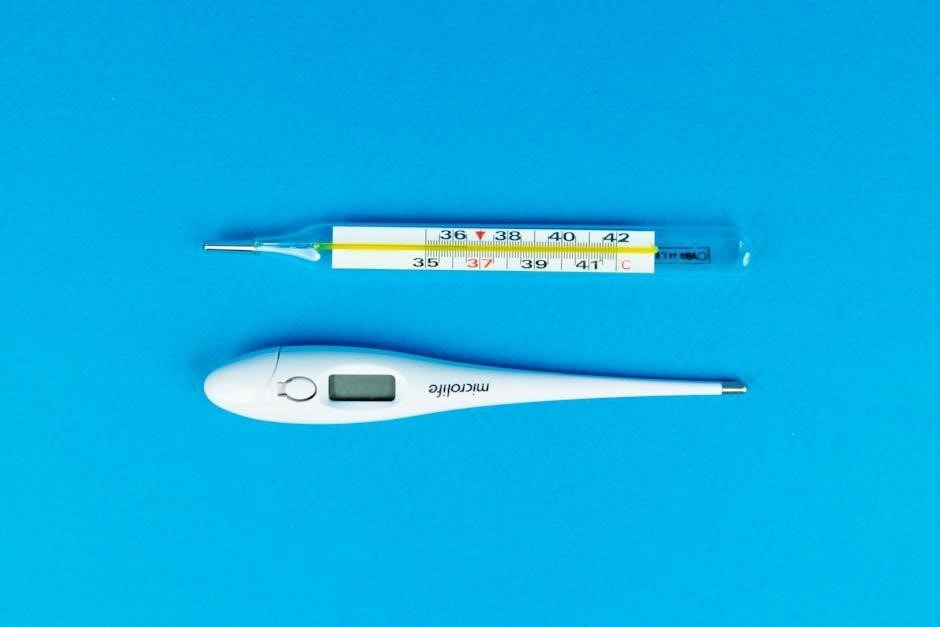
Taylor’s Analog (Dial) Meat Thermometers represent a classic approach to temperature measurement, known for their durability and reliability. These thermometers utilize a bimetallic coil that responds to heat, displaying the temperature on a clear, easy-to-read dial.
No batteries are required for operation, making them a dependable choice for any cooking situation. They are particularly well-suited for oven use and are designed to remain in the food throughout the cooking process, providing continuous temperature monitoring.
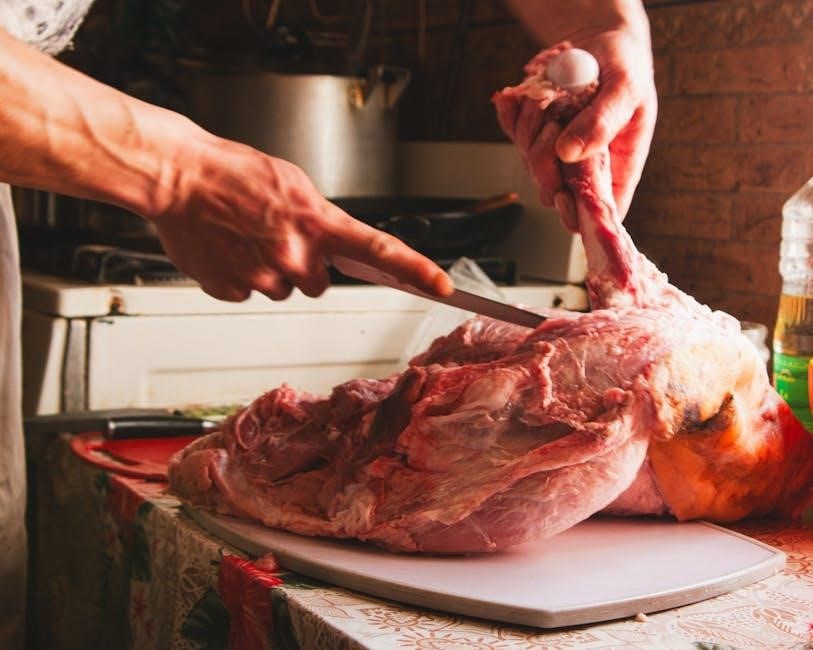
These thermometers embody Taylor’s long-standing tradition of accuracy and quality, offering a straightforward and effective solution for achieving perfectly cooked results.
Instant-Read Thermometers
Taylor’s Instant-Read Thermometers are designed for quick and convenient temperature checks. These thermometers provide a reading within seconds, making them ideal for verifying doneness during cooking or checking the temperature of leftovers.
They feature a responsive sensor that accurately measures internal temperature, displaying the result on an easy-to-read dial or digital screen. Instant-read models are versatile tools suitable for a wide range of culinary applications, from grilling and roasting to baking and frying.
Their speed and accuracy ensure perfectly cooked food every time, upholding Taylor’s commitment to precision and quality.
Oven-Safe Meat Thermometers
Taylor’s Oven-Safe Meat Thermometers are specifically designed for monitoring food temperature while it’s cooking in the oven. These thermometers feature a durable construction that can withstand high temperatures without damage, providing continuous temperature readings throughout the cooking process.
They typically have a large, easy-to-read dial that allows you to track the temperature without opening the oven door, maintaining consistent heat. Oven-safe models are perfect for roasting large cuts of meat, baking poultry, or preparing casseroles.
Ensuring accurate cooking and food safety, these thermometers embody Taylor’s dedication to reliable measurement.

Getting Started: Initial Setup & Calibration
Before first use, ensure proper functionality by installing batteries (if applicable) and performing an initial calibration check for accurate temperature readings.
Battery Installation (Digital Models)
For digital Taylor meat thermometers, battery installation is a straightforward process. Locate the battery compartment, typically found on the back or handle of the unit. Open the compartment cover, usually by sliding or unscrewing it. Insert the correct type and number of batteries, paying close attention to the polarity markings (+ and -) inside the compartment.
Ensure the batteries are securely seated and the compartment cover is properly closed. Incorrect battery installation can prevent the thermometer from functioning correctly or lead to inaccurate readings. Replace batteries when the display becomes dim or erratic, or when the thermometer fails to power on. Always dispose of used batteries responsibly, following local regulations.
Initial Calibration Check
Before first use, and periodically thereafter, perform an initial calibration check on your Taylor meat thermometer to ensure accuracy. A simple ice bath test is recommended. Fill a glass with ice and add just enough cold water to cover the ice. Carefully insert the thermometer probe into the ice water, avoiding contact with the glass.
Allow the thermometer to stabilize for several minutes. The reading should be 32°F (0°C). If the reading deviates significantly, calibration adjustments may be necessary (see the next section). Consistent accuracy is vital, as Taylor prioritizes precision in all its measurement products, upholding a legacy of over 170 years.
Calibration Procedures (If Necessary)
If your Taylor thermometer fails the initial calibration check, adjustments may be possible, depending on the model. Digital models may have a calibration function accessible through the settings menu – consult your specific model’s instruction manual (available on the Taylor USA website).
For analog (dial) thermometers, minor adjustments might be achievable via a small calibration nut located near the dial face. Caution: Adjustments should be made incrementally and with care. If you are uncomfortable performing calibration, or if adjustments don’t resolve the issue, contact Taylor Customer Service for assistance. Remember, Taylor’s 170-year legacy is built on accuracy!
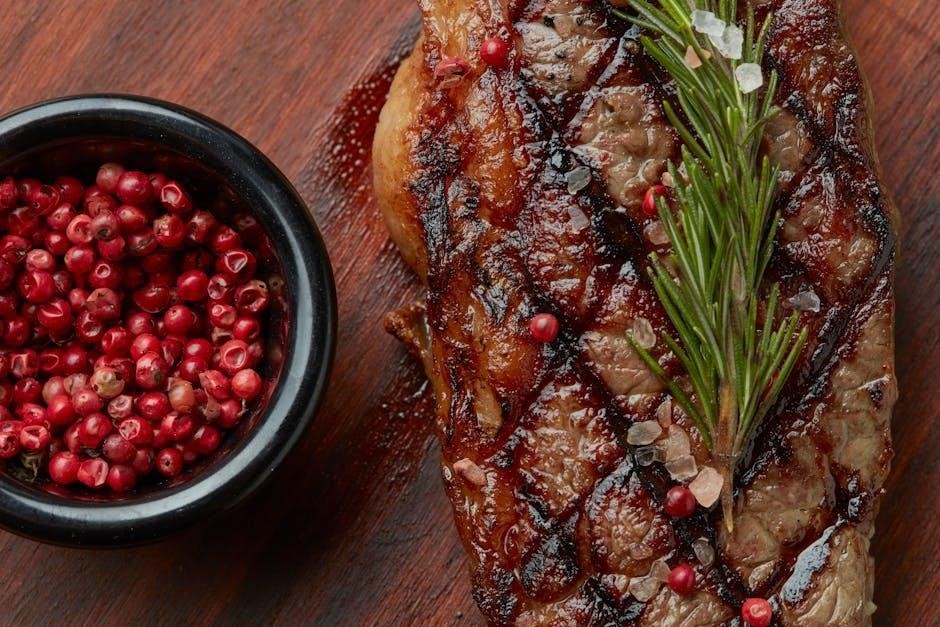
Using Your Taylor Meat Thermometer
Achieve perfect results by following proper probe placement and utilizing temperature guidelines for poultry, beef, pork, fish, and seafood.
Proper Probe Placement
Accurate readings depend on correct probe placement. For best results, insert the thermometer probe into the thickest part of the meat, avoiding bone, fat, or gristle. These elements can provide falsely low temperature readings, leading to undercooked food.
Ensure the probe tip is centered within the meat’s mass. When checking poultry, insert the probe into the thickest part of the thigh, being careful not to touch the bone. For larger cuts of beef or pork, probe should reach the center.
With thinner cuts, insert the probe horizontally from the side. Always allow sufficient time for the thermometer to register a stable temperature – typically several seconds to a minute – before recording the reading.
Measuring Internal Temperature
Consistent monitoring is key to food safety and quality. When using a Taylor meat thermometer, insert the probe as described previously, ensuring it’s positioned correctly within the food. Allow ample time – usually 10-20 seconds, or longer for very cold items – for a stable temperature reading to appear.
Digital thermometers will display the temperature directly. For analog models, observe where the pointer stops on the dial. Record the temperature accurately.
Remember to check the temperature in multiple spots, especially in larger cuts, to ensure even cooking. Always prioritize reaching the recommended internal temperature for the specific meat type to eliminate harmful bacteria.
Temperature Guidelines for Different Meats
Achieving safe and delicious results requires knowing proper temperatures. Poultry should reach 165°F (74°C) to eliminate salmonella risks. Beef, pork, and lamb have varying preferences; medium-rare beef is around 135°F (57°C), while pork needs a minimum of 145°F (63°C).
Fish and seafood are more delicate. The FDA recommends 145°F (63°C) for most fish, ensuring it’s opaque and flakes easily. Always consult reliable sources for specific cut recommendations.
Using a Taylor thermometer guarantees accurate readings, helping you confidently serve perfectly cooked meals every time. Prioritize food safety by verifying internal temperatures!
Poultry Temperature
Safety is paramount when cooking poultry. The USDA recommends a minimum internal temperature of 165°F (74°C) to destroy harmful bacteria like Salmonella. This applies to all poultry – chicken, turkey, duck, and goose – whether whole, parts, or ground.
Insert your Taylor meat thermometer into the thickest part of the thigh, avoiding the bone. Ensure the probe doesn’t touch bone, as this can give a falsely high reading. Consistent monitoring with a reliable thermometer is crucial.
Properly cooked poultry will be juicy and flavorful, while ensuring a safe and healthy meal for you and your family. Trust Taylor for accurate results!
Beef & Pork Temperature
Achieving the perfect doneness for beef and pork relies on accurate temperature measurement. Recommended internal temperatures vary based on desired level of doneness and cut of meat.
For beef, medium-rare is 130-135°F (54-57°C), medium is 135-145°F (57-63°C), and well-done is 160°F+ (71°C+). Pork should reach 145°F (63°C) followed by a three-minute rest. Insert the Taylor thermometer into the thickest part, avoiding fat or bone.
Utilizing a Taylor thermometer guarantees a safe and delicious result, preventing undercooking and ensuring optimal flavor. Consistent monitoring is key to culinary success!
Fish & Seafood Temperature
Ensuring fish and seafood are cooked to a safe internal temperature is crucial for both taste and health. Taylor thermometers provide the precision needed for optimal results.
The FDA recommends cooking most fish to 145°F (63°C). For seafood like shrimp, lobster, and crab, look for an opaque color and firm texture. Insert your Taylor thermometer into the thickest part of the fish, avoiding bones.
Overcooking leads to dryness, while undercooking poses health risks. A reliable Taylor thermometer eliminates guesswork, delivering perfectly cooked, flavorful fish and seafood every time. Enjoy a safe and delicious meal!
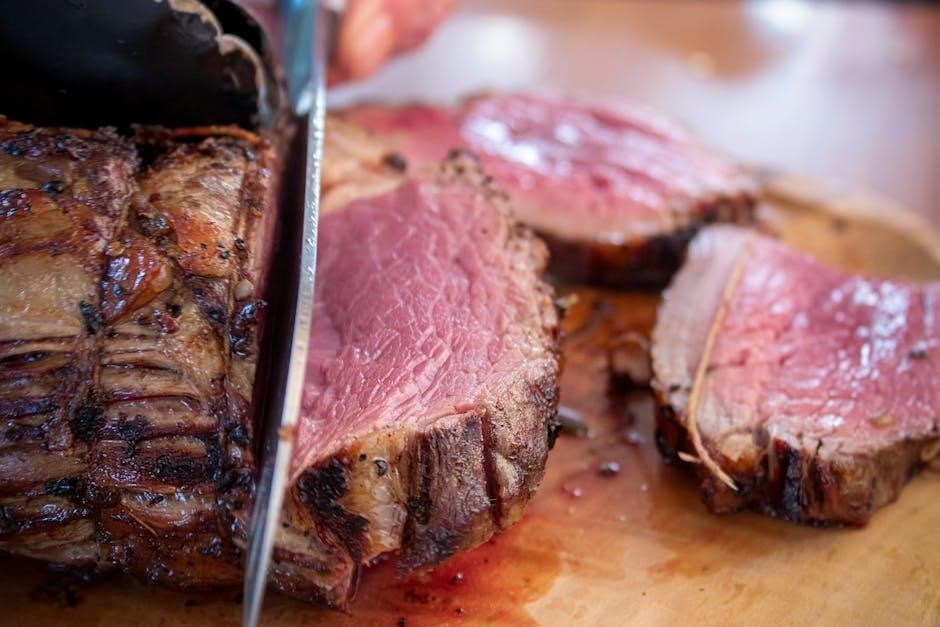
Specific Model Instructions (Referencing Available Manuals)
Detailed instructions vary by model. Visit the Taylor USA website to download the specific manual for your thermometer, ensuring accurate usage.
Taylor 1479-21 Instructions
The Taylor 1479-21 is a popular dial thermometer designed for accurate meat temperature readings. To use, insert the probe into the thickest part of the meat, avoiding bone. Ensure the sensing area is fully immersed for a precise measurement.
This model features a durable stainless steel stem and a large, easy-to-read dial. Regularly check for accuracy; if needed, recalibrate following the procedures outlined in the full instruction manual, available for download on the Taylor USA website.
Cleaning is simple: wash the probe with warm, soapy water after each use. Avoid prolonged soaking or abrasive cleaners. Proper care will ensure years of reliable performance from your Taylor 1479-21 thermometer.
Other Popular Model Series Instructions
Taylor offers a diverse range of thermometers beyond the 1479-21. For digital models, always install fresh batteries for optimal performance and accurate readings. Refer to the specific model’s manual – readily available on the Taylor USA website – for detailed battery installation instructions.
Calibration is key for all Taylor thermometers. The website provides downloadable manuals with step-by-step calibration procedures. Regularly checking and adjusting calibration ensures consistent accuracy. Explore the “Instruction Manuals” section, utilizing the search function with your model number.
Remember Taylor’s commitment to accuracy, established since 1851. Proper use and maintenance, guided by the appropriate manual, will guarantee reliable results for years to come.
Care and Maintenance
Proper cleaning and storage are vital for longevity. Download manuals from Taylor USA for specific model guidance, ensuring continued accuracy and performance.
Cleaning Your Thermometer
Maintaining cleanliness is crucial for accurate readings and preventing cross-contamination. After each use, thoroughly wash the probe with warm, soapy water. Avoid abrasive cleaners or scouring pads, as these can damage the sensitive components.
For digital thermometers, ensure the display and housing are wiped clean with a damp cloth. Never submerge the entire unit in water, as this can cause irreparable damage. Pay close attention to the area where the probe connects to the thermometer body, ensuring no food residue accumulates.
For analog thermometers, a gentle cleaning of the dial face and probe is sufficient. Refer to your specific model’s instruction manual, available on the Taylor USA website, for detailed cleaning recommendations. Proper cleaning extends the life of your Taylor thermometer and guarantees reliable performance.
Storage Recommendations
Proper storage safeguards your Taylor meat thermometer, ensuring longevity and continued accuracy. When not in use, store the thermometer in a cool, dry place, away from direct sunlight and extreme temperatures. Avoid storing it in areas with high humidity, which can corrode the metal components.
For digital models, remove the batteries if the thermometer will be stored for an extended period. This prevents potential battery leakage and damage. Protect the probe from bending or physical impact, as this can affect its accuracy.
Consider using the original packaging or a protective case for storage. Refer to the instruction manual, downloadable from the Taylor USA website, for model-specific storage guidance.
Troubleshooting Common Issues
Encountering problems? Here’s a quick guide to resolving common Taylor meat thermometer issues. Inaccurate readings may stem from improper probe placement or a need for recalibration – check the ‘Calibration Procedures’ section. Display problems on digital models often indicate low batteries; replace them immediately.
If the display remains unresponsive, try resetting the device (consult your manual); Probe damage requires careful inspection; a bent or broken probe compromises accuracy and may necessitate replacement. For non-food service related issues, contact Taylor USA customer service (M-F 8 am-5 pm MST).
Remember to consult the instruction manual available on the Taylor USA website for detailed troubleshooting steps specific to your model.
Inaccurate Readings
Concerned about accuracy? Several factors can cause inaccurate readings with your Taylor meat thermometer. First, ensure proper probe placement – it should be inserted into the thickest part of the meat, avoiding bone. Secondly, verify the thermometer is correctly calibrated; refer to the ‘Calibration Procedures’ section for instructions.
Environmental factors, like extreme temperatures, can also affect readings. Allow the thermometer to acclimate to the cooking environment before use. If issues persist, check for a low battery (digital models) or probe damage. Taylor prioritizes accuracy, but consistent verification is key for optimal results.
Consult your model’s manual for specific troubleshooting guidance.
Display Problems (Digital Models)
Experiencing display issues? For Taylor digital meat thermometers, a blank or dim display often indicates low batteries. Battery Installation is straightforward – refer to your model’s manual for specific instructions. Ensure correct battery polarity during replacement. If the display remains problematic with fresh batteries, a reset might be necessary; check the manual for reset procedures.
Occasionally, extreme temperatures or moisture exposure can temporarily affect the display. Allow the thermometer to stabilize at room temperature. If the problem persists, there may be an internal malfunction. Contact Taylor’s Customer Service for assistance and potential repair options.
Remember to check the official Taylor USA website for further support.
Probe Damage
A damaged probe compromises accuracy. If your Taylor meat thermometer’s probe is bent, broken, or shows signs of corrosion, discontinue use immediately. Proper Probe Placement is crucial, but accidental impacts can occur. Avoid forcing the probe into tough food items.
Minor surface scratches are generally acceptable, but any breach in the probe’s integrity can lead to inaccurate readings and potential food safety concerns. Do not attempt to repair a damaged probe yourself. Contact Taylor’s Customer Service to inquire about replacement probes or thermometer replacement options.
Always handle with care and follow Care and Maintenance guidelines.

Safety Precautions
Exercise caution! Always handle hot surfaces carefully, avoid cross-contamination, and properly dispose of used batteries from digital models.
Handling Hot Surfaces
Caution is paramount when dealing with a Taylor meat thermometer, especially during and immediately after use in cooking environments. The probe, in particular, will become extremely hot when inserted into food during the cooking process. Always utilize oven mitts, pot holders, or heat-resistant gloves when handling the thermometer to prevent burns.
Avoid touching the metal probe with bare hands. Even after removing the thermometer from the food, residual heat can remain for a considerable period. Allow sufficient cooling time before attempting to clean or store the device. Be mindful of surrounding surfaces; placing a hot thermometer directly onto countertops or other materials can cause damage. Prioritize safety to ensure a pleasant and injury-free cooking experience.
Avoiding Cross-Contamination
Maintaining hygiene is crucial when using a Taylor meat thermometer to prevent the spread of harmful bacteria. Always thoroughly clean the probe – the part inserted into food – with hot, soapy water before and after each use, especially when switching between different types of meat.
Consider using a sanitizing solution for added protection. Never use the same thermometer to test raw and cooked meats without proper cleaning in between. This prevents transferring potentially dangerous pathogens. Avoid placing the thermometer on surfaces that have come into contact with raw meat or poultry. Proper cleaning and mindful handling are essential for food safety.
Disposal of Batteries
Responsible battery disposal is vital for environmental protection. Taylor digital meat thermometers require batteries for operation. When batteries are depleted, do not discard them with regular household waste. Batteries contain potentially harmful materials and require special handling.
Check with your local waste management facilities for designated battery recycling locations. Many retailers also offer battery recycling programs. Properly disposing of batteries prevents environmental contamination and conserves valuable resources. Following these guidelines ensures you are contributing to a sustainable future. Always adhere to local regulations regarding battery disposal.

Resources & Support
Need help? Visit the official Taylor USA website for instruction manuals, FAQs, and contact information for customer service assistance.
Explore their extensive online resources for all your Taylor product needs!
Taylor USA Official Website
Access comprehensive support at Taylor USA’s official website. Here, you’ll discover a wealth of information designed to enhance your experience with Taylor precision measurement tools. A dedicated section houses an extensive library of instruction manuals, allowing you to quickly download the specific guide for your Taylor meat thermometer model.
The website provides easy navigation and a search function to locate manuals efficiently. Beyond documentation, explore frequently asked questions addressing common concerns and troubleshooting tips. For personalized assistance, a “Contact Us” page offers various channels to reach Taylor’s customer service team – available Monday through Friday, 8 am to 5 pm MST (for non-food service inquiries).
Taylor USA, a division of Lifetime Brands, Inc., remains committed to its 170+ year legacy of accuracy and reliability, and their website reflects this dedication to customer support.
Instruction Manual Downloads
Locate your Taylor meat thermometer’s manual easily! Taylor USA provides a centralized online repository for all its product documentation. Visiting their Instruction Manuals page allows you to search for the correct guide using your model number. This ensures you have the precise instructions tailored to your specific thermometer.
The downloadable manuals cover everything from initial setup and calibration to proper usage techniques and care instructions. These resources are invaluable for maximizing the accuracy and lifespan of your Taylor thermometer. If you encounter any difficulties finding your manual, or have questions not addressed within the documentation, remember to utilize the “Contact Us” page for direct customer support.
Taylor prioritizes accessibility to information, empowering users to achieve optimal results.
Customer Service Contact Information
Need assistance with your Taylor meat thermometer? For non-food service related inquiries, Taylor USA’s customer service team is available Monday through Friday, from 8:00 AM to 5:00 PM Mountain Standard Time (MST). Please note that this support is specifically for matters excluding those related to food service applications.
To connect with a representative, visit the Taylor USA website and navigate to their “Contact Us” page. For food service-related questions, or assistance with shipping, delivery, returns, exchanges, and payment methods, you will need to contact your local sales representative directly. They will provide the appropriate contact information for specialized support.
Taylor is committed to providing excellent customer care.
